years before the main story
Moira’s Criminal Apprenticeship
[Moira Nicholson](entity:character-recall-character-moira-nicholson-814cbab5b752) became an accomplished criminal while still very young, working with an international gang involved in drugs. She learned to use assumed identities and cultivate other people’s trust as tools of survival and gain.
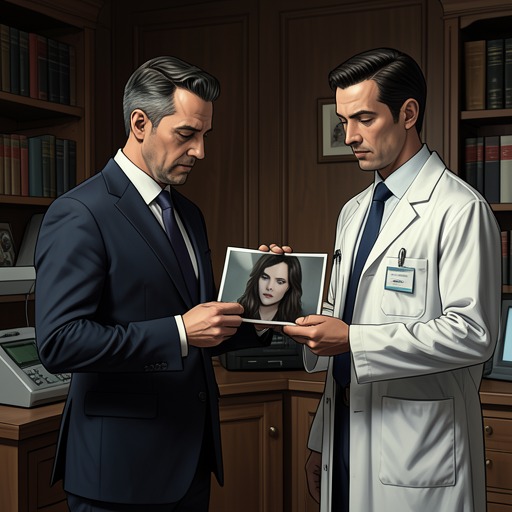
Her later encounters with [John Savage](entity:character-recall-character-john-savage-1af7bca4922f) and [Roger Bassington-ffrench](entity:character-recall-character-roger-bassington-ff-723fade59e0b) grew out of this criminal life. The apparent gentleness of her photograph would conceal a practiced and dangerous operator.
before John Savage’s death
The Templeton Scheme
Moira, then using the name Mrs Templeton, met the wealthy [John Savage](entity:character-recall-character-john-savage-1af7bca4922f) during a voyage and learned how to exploit his attraction to her. [Roger Bassington-ffrench](entity:character-recall-character-roger-bassington-ff-723fade59e0b) and the man later known as [Leo Cayman](entity:character-recall-character-leo-cayman-62e9efbaecbf) helped devise a scheme to take Savage’s fortune.
The plot depended on presenting Savage as a man who had freely made a will in Mrs Templeton’s favour and then died by suicide. The gang planned to make the will appear authentic and the death appear to confirm it.
during the plot against John Savage
The Forged Will
Roger impersonated [John Savage](entity:character-recall-character-john-savage-1af7bca4922f) to sign a will leaving a vast fortune to Mrs Templeton and the remainder to charities. A solicitor who did not know Savage witnessed the signing, along with [Rose Chudleigh](entity:character-recall-character-rose-chudleigh-a81763369fb0) and the gardener Albert Mere; the house-parlourmaid [Gladys Evans](entity:character-recall-character-gladys-evans-4b82f85b2a30) was deliberately not called.
The real Savage was kept out of sight while the false signing took place. The scheme’s success depended on the witnesses being unable to recognize that the man in bed was not Savage.
after the will was signed
Savage’s Apparent Suicide
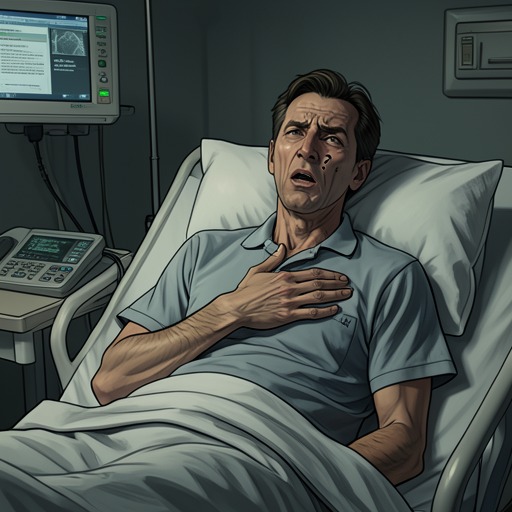
The conspirators exploited Savage’s genuine fear that he had cancer. After he returned from a medical consultation, he was found dead after taking an overdose of chloral, with a letter suggesting that he had chosen a quick death rather than a lingering illness.
The death gave the fraudulent will an apparently plausible context. Mrs Templeton inherited the fortune, while the distant relatives had little immediate ability to challenge the estate.
months before the Marchbolt cliff death
Carstairs Investigates Savage
[John Savage](entity:character-recall-character-john-savage-1af7bca4922f)’s friend [Alan Carstairs](entity:character-recall-character-alan-carstairs-7ba6a52ac569) returned from abroad and became suspicious of the death and the will. Savage’s apparent fear of cancer and the generous bequest to a woman he had recently met seemed inconsistent with the man Carstairs had known.
Carstairs consulted the solicitor Mr Spragge, who judged that a legal challenge was unlikely to succeed. Undeterred, Carstairs began making inquiries himself.
weeks before October 3rd
Carstairs Recognizes Moira
[Alan Carstairs](entity:character-recall-character-alan-carstairs-7ba6a52ac569) visited the Bassington-ffrench household with the Rivingtons. There he saw a photograph of Moira, recognized her as the woman in a picture [John Savage](entity:character-recall-character-john-savage-1af7bca4922f) had sent him, and asked questions about her and [Dr Jasper Nicholson](entity:character-recall-character-dr-jasper-nicholson-5148ffbcdb18).
The encounter gave Carstairs a lead to Moira’s new identity and her connection to the Grange. [Roger Bassington-ffrench](entity:character-recall-character-roger-bassington-ff-723fade59e0b) realized that the inquiry threatened the old fraud and the gang’s future plans.
after Carstairs questioned the Rivingtons
The Search for Evans
Carstairs pursued the trail to [Chipping Somerton](entity:location-recall-location-e16257d42357), looking for people who had been present when Savage’s will was signed. He failed to find [Rose Chudleigh](entity:character-recall-character-rose-chudleigh-a81763369fb0), who had left the household, but traced [Gladys Evans](entity:character-recall-character-gladys-evans-4b82f85b2a30) and learned that she had returned to Wales and married.
Evans could potentially identify the impostor who signed the will. Carstairs set out to find her in [Marchbolt](entity:location-recall-location-marchbolt-a65516074af8), unaware that Roger was following his movements.
October 3rd
Carstairs Is Murdered
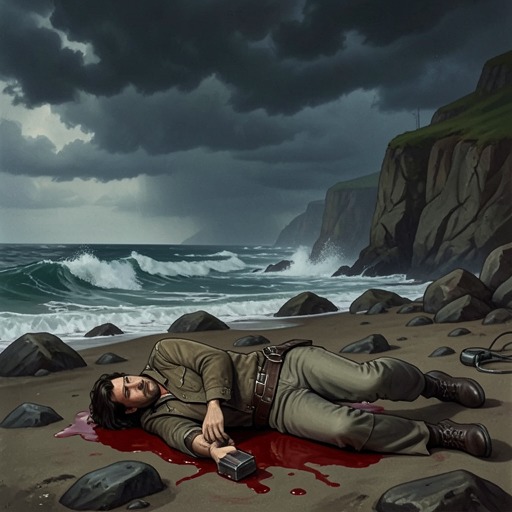
On a misty evening near [Marchbolt](entity:location-recall-location-marchbolt-a65516074af8), [Roger Bassington-ffrench](entity:character-recall-character-roger-bassington-ff-723fade59e0b) followed [Alan Carstairs](entity:character-recall-character-alan-carstairs-7ba6a52ac569) along the cliff path and pushed him over the edge. Carstairs fell onto the rocks below, where [Bobby Jones](entity:character-recall-character-bobby-jones-974ae7f0ebca) and [Dr Thomas](entity:character-recall-character-dr-thomas-d52b8f456585) later found him dying.
The murder silenced an investigator who was close to connecting Moira’s identities and the Savage fraud. Carstairs briefly regained consciousness before dying, but his last words were an enigmatic question: “[Why didn’t they ask Evans](entity:expression-recall-expression-why-didn-t-they-as-a90853f542f5)?”
October 3rd, after Carstairs fell
The Photograph Is Switched
While Bobby waited beside the dying man, he noticed and returned a photograph of a beautiful woman to Carstairs’s pocket. Roger later got access to the body, removed identifying material and planted a photograph of [Amelia Cayman](entity:character-recall-character-amelia-cayman-c008b3caa59a).
The substituted photograph helped the conspirators pass Carstairs off as Alex Pritchard, Amelia’s supposed brother. Their false identification obscured the murder’s real victim and made an accidental death seem credible.
October 3rd, early evening
Bobby Finds the Dying Man
[Bobby Jones](entity:character-recall-character-bobby-jones-974ae7f0ebca) and [Dr Thomas](entity:character-recall-character-dr-thomas-d52b8f456585) were playing golf at [Marchbolt Golf Course](entity:location-recall-location-marchbolt-226fccf1b575) when Bobby sliced a shot toward the cliff path. After the pair crossed the path and reached the next tee, Bobby spotted a dark shape on a ledge below and helped Dr Thomas climb down to the injured man.
Dr Thomas judged the stranger’s back to be broken and his death imminent. He left to summon help, while Bobby stayed with the man, unaware that the stranger’s final words would draw him into a dangerous mystery.
October 3rd, minutes after Dr Thomas left
The Dying Man Names Evans
Alone with the injured stranger, Bobby watched him briefly regain full consciousness. The man looked directly at Bobby and clearly asked, “[Why didn’t they ask Evans](entity:expression-recall-expression-why-didn-t-they-as-a90853f542f5)?” before dying.
Bobby did not understand the question and could not connect it to anything he knew. The unexplained words became the mystery’s central clue, even as the body’s true identity remained concealed.
October 3rd, shortly after the death
Bobby Leaves for the Service
A passerby named [Roger Bassington-ffrench](entity:character-recall-character-roger-bassington-ff-723fade59e0b) offered to remain with the body so Bobby could hurry to [Marchbolt Vicarage](entity:location-recall-location-marchbolt-vicarage-bb9b01d629d8) and play the organ at the evening service. Bobby accepted the offer and left without suspecting that Roger had just murdered the stranger.
Roger had arrived too late to witness Bobby find the photograph, but he gained time alone with the corpse. Bobby’s departure therefore gave the killer an opportunity to alter the evidence.
the evening of October 3rd
Bobby Faces His Father
Bobby arrived late for the church service, having rushed back from the cliff, and played the organ. His father, [Rev. Thomas Jones](entity:character-recall-character-rev-thomas-jones-14bfef99a20e), reprimanded him for failing to keep his commitment and mistook Bobby’s joking manner for callousness about death.
Bobby tried to explain that he had stayed with a dying man, but the father and son could not make one another understand. Their affection remained strong beneath their generational disagreement.
the evening of October 3rd
Roger Gives a False Account
Roger told Bobby that he was a stranger in the area and had come to inquire about buying a house. He spoke as though he had simply happened upon the body and had offered help out of decency.
The explanation gave Roger a respectable reason for being near the cliff and concealed his connection to Carstairs. Bobby remembered him only as a pleasant, rather nondescript gentleman.
the day after the cliff death
The Body Is Identified
At the inquest, [Amelia Cayman](entity:character-recall-character-amelia-cayman-c008b3caa59a) identified the body as that of her brother, Alex Pritchard, recently returned from Siam. She claimed that he had been cheerful and looking forward to a walking tour, and described how he had supposedly posted his belongings ahead.
The coroner accepted the account alongside the physical evidence of a fall. The identity was false, but the testimony helped keep attention away from [Alan Carstairs](entity:character-recall-character-alan-carstairs-7ba6a52ac569) and the murder behind his death.
the day after the cliff death
The Inquest Rules Misadventure
[Dr Thomas](entity:character-recall-character-dr-thomas-d52b8f456585) and Bobby testified that the mist could have caused a walker to miss the turn in the cliff path. Bobby also reported a possible cry, but could not say whether he had heard it clearly.
The jury returned a verdict of death by misadventure and urged the council to put a railing along the dangerous path. That official conclusion gave the murderers the cover they needed, while Bobby’s recollection of the cry remained unexplained.
after the inquest
The Caymans Question Bobby
[Leo Cayman](entity:character-recall-character-leo-cayman-62e9efbaecbf) and [Amelia Cayman](entity:character-recall-character-amelia-cayman-c008b3caa59a) visited Bobby at the vicarage, presenting themselves as grieving relatives and asking about the dead man’s final moments. Bobby mistakenly told them that he had said nothing before dying.
[The Caymans](entity:character-recall-character-the-caymans-497299b79f37) hoped to learn whether Carstairs had revealed anything dangerous. Bobby later remembered the words about Evans, wrote to Leo to correct himself, and unknowingly alerted the conspirators that the clue had reached someone outside their circle.
the evening after the Caymans’ visit
Bobby Corrects His Story
Uncomfortable with having told a falsehood, Bobby wrote [Leo Cayman](entity:character-recall-character-leo-cayman-62e9efbaecbf) to report the dead man’s exact words. Leo replied politely that the words were trivial, a response that made Bobby feel snubbed.
The letter told the conspirators that Bobby knew about Evans, although Bobby himself still had no idea what the name meant. His honesty triggered a new effort to remove or distract him.
days after the inquest
Bobby Chooses Badger’s Garage
Bobby received a letter from [Badger Beadon](entity:character-recall-character-badger-beadon-02df8ffb5ad9) about a precarious second-hand car business and had already promised to help. Although Bobby’s father urged him to take more responsible work, Bobby felt bound not to let his friend down.
The promise showed Bobby’s loyalty and left him without a secure career. It also meant that he turned down an unexpectedly lucrative offer from South America.
the following week
The South American Offer
[Henriquez and Dallo](entity:organization-recall-organization-henriquez-and-da-ca7f7ba9b336) offered Bobby a job in Buenos Aires at a salary of a thousand a year, claiming that his naval experience made him suitable. Bobby was surprised by the offer but could not see why an unknown firm had selected him.
He refused because he had already committed himself to Badger’s garage. The offer was an attempt by the conspirators to lure Bobby out of England and away from the investigation.
after receiving the South American offer
Bobby Rejects the Offer
Bobby explained his decision to his father, who urged him to abandon Badger’s venture and accept the promising job. Bobby remained firm, believing his word mattered more than the money or the chance to travel.
He also told [Lady Frances Derwent](entity:character-recall-character-lady-frances-derwen-0695ad5b3242) about the decision. She approved of his loyalty but warned him, with characteristic bluntness, that Badger might let him down.
shortly before Bobby leaves for London
Frankie and Bobby Part Uneasily
Bobby told Frankie that their different social worlds made a closer friendship seem impossible. He spoke from insecurity, convinced that her wealthy circle could not mix with his uncertain life and work.
Frankie became angry at his self-deprecation and drove away before he could repair the conversation. Bobby missed her during the days that followed, and their unspoken affection remained a source of tension.
several days after the job offer
Bobby Is Poisoned
On a solitary picnic, Bobby fell asleep after drinking beer. Someone tampered with the bottle while he slept, adding enough morphia to kill him, but he survived and was taken to St Asaph’s for treatment.
The police believed the poisoning might have been a bizarre attack by a lunatic. Frankie immediately connected it to Carstairs’s death and reasoned that the people behind the cliff incident were trying to silence Bobby.
during Bobby’s recovery
Frankie Suspects a Conspiracy
Frankie visited Bobby and argued that the poisoning was no random attack. She linked it to the unexplained death at [Marchbolt](entity:location-recall-location-marchbolt-a65516074af8) and to the suspicious overseas job offer, suggesting that someone believed Bobby knew more than he realized.
Bobby remained sceptical, but the theory changed the meaning of both events. They agreed to investigate the photograph and the man who had been with the body, [Roger Bassington-ffrench](entity:character-recall-character-roger-bassington-ff-723fade59e0b).
during Bobby’s stay at St Asaph’s
The Newspaper Exposes the Switch
Bobby noticed that the photograph reproduced in the [Marchbolt](entity:location-recall-location-marchbolt-a65516074af8) Weekly Times was not the woman’s picture he had seen in Carstairs’s pocket. The newspaper showed [Amelia Cayman](entity:character-recall-character-amelia-cayman-c008b3caa59a), whereas Bobby remembered a beautiful, wide-eyed stranger.
He summoned Frankie, and they realized that the photograph had been switched after he left the body. Their suspicion fell on Roger, the only person Bobby remembered being alone with the corpse.
immediately after the newspaper discovery
Frankie Checks the Photograph
Frankie checked with the police and confirmed that only one photograph had been found on the dead man. She also learned that Roger had visited the local estate agent on the day of the death and appeared to have a plausible house-hunting explanation.
Those details did not clear Roger in her mind. She and Bobby reasoned that the body’s identity had been deliberately concealed, while recognizing that they lacked proof of who the dead man really was or why the phrase about Evans mattered.
after the photograph investigation
The Partners Plan Their Inquiry
Frankie and Bobby considered using Bobby as bait, searching local Evanses, or tracing the unusual name Bassington-ffrench. Bobby refused to serve as a decoy after barely surviving the poisoning, but agreed that they should pursue less reckless leads.
Frankie asked her father, [Lord Marchington](entity:character-recall-character-lord-marchington-55f42a9c719f), about the family name and confirmed that Roger belonged to a Hampshire branch. The pair continued to believe Roger was involved, though the evidence against him remained circumstantial.
about a week after Bobby’s poisoning
Frankie Enters Merroway Court
Frankie devised a plan to gain access to the Bassington-ffrench household by staging a car crash near [Merroway Court](entity:location-recall-location-02b07557987a). [Dr George Arbuthnot](entity:character-recall-character-dr-george-arbuthnot-e4b71e4dfd98) would pose as a passing doctor, while Bobby would disguise himself as a chauffeur and remain outside the family’s notice.
She deliberately wrecked a cheap car against the estate wall and pretended to have concussion. The plan succeeded: [Sylvia Bassington-ffrench](entity:character-recall-character-sylvia-bassington-f-dd6153028b15) welcomed her into the house, where Frankie could observe the family from within.
the first days at Merroway Court
Frankie Befriends Sylvia
During her supposed recovery, Frankie grew close to Sylvia, a warm and apparently trusting woman devoted to her home and son. Frankie felt increasingly guilty about having deceived her hostess, whose kindness seemed genuine.
She also noticed signs that Sylvia was unhappy and that her husband Henry was volatile and withdrawn. The household’s strained atmosphere complicated Frankie’s plan to treat its members as mere suspects.
several days after Frankie’s staged crash
Roger Arrives at Merroway
[Roger Bassington-ffrench](entity:character-recall-character-roger-bassington-ff-723fade59e0b) returned to [Merroway Court](entity:location-recall-location-02b07557987a) and met Frankie, who found him charming and attentive to his nephew Tommy. His easy manner made it difficult for her to imagine him as the killer she and Bobby had identified.
Frankie became less certain of her theory, but the photograph still implicated Roger. His apparent warmth created a powerful red herring and drew her attention away from the possibility that he was deliberately playing a part.
during Frankie’s stay at Merroway Court
Henry’s Drug Use Emerges
Roger confided that he believed Henry was taking morphia, based on his mood swings and pin-point pupils. He suspected that the drug arrived by post and that Henry became especially agitated while waiting for a fresh supply.
Roger asked Frankie whether Sylvia should be told. His account appeared to make him a concerned brother, while introducing a new possible link between the Bassington-ffrench household and the drug trade.
the following evening
The Nicholsons Attract Suspicion
Frankie met [Dr Jasper Nicholson](entity:character-recall-character-dr-jasper-nicholson-5148ffbcdb18) and his wife Moira at dinner. Jasper’s pale, observant eyes and probing questions about Frankie’s crash unsettled her; his dark-blue Talbot also matched a car reported near the day Bobby was poisoned.
Henry reacted violently when the doctor’s treatment of drug addicts was discussed, describing the suffering of withdrawal. Frankie began to suspect that the Grange and its supposed cures might conceal a darker drug operation.
after Frankie meets the Nicholsons
Carstairs Is Linked to Moira
Frankie learned from Roger and Sylvia that a photograph of Moira had once captivated a visitor who resembled [Alan Carstairs](entity:character-recall-character-alan-carstairs-7ba6a52ac569). Roger also admitted that he had been at the [Marchbolt](entity:location-recall-location-marchbolt-a65516074af8) cliff and had stayed beside the body until help arrived.
The name gave Frankie her first solid lead to the dead man’s identity. She still could not explain the photograph switch, but now had reason to connect Carstairs directly to Moira and the Bassington-ffrench household.
after Frankie’s letter reaches London
Bobby Joins the Household
Bobby left Badger’s garage and travelled south disguised as Edward Hawkins, a chauffeur in Lady Frances’s livery. He used a false name and a false route to make it harder for anyone watching him to follow his movements.
At the Anglers’ Arms, he heard village rumours about the Grange, including a story of a young woman who had tried to escape. The gossip could not be trusted, but it strengthened his resolve to investigate the institution.
the night after Bobby reaches Staverley
Bobby Meets Moira
Bobby slipped through an unlocked gate into the grounds of the Grange and encountered a terrified young woman moving furtively through the dark. She urged him to leave before someone came, then disappeared into the grounds.
Bobby recognized her as the original of the photograph he had seen in Carstairs’s pocket. The image he had carried in his memory was now a living person, and the discovery made the mystery immediate and personal.
the following morning
Moira Seeks Bobby’s Help
Moira came to the Anglers’ Arms and told Bobby she feared that her husband, [Dr Jasper Nicholson](entity:character-recall-character-dr-jasper-nicholson-5148ffbcdb18), intended to murder her. She described a series of suspicious near-accidents and believed that he wanted to marry Sylvia after Henry was removed.
She said Henry was being drawn toward treatment at the Grange and feared that he would not come out safely. Bobby believed her and arranged for her to meet Frankie, while learning that Moira had known [Alan Carstairs](entity:character-recall-character-alan-carstairs-7ba6a52ac569) before her marriage.
later that day
The Three Investigators Confer
Frankie and Bobby met Moira near the river, where Bobby revealed that [Alan Carstairs](entity:character-recall-character-alan-carstairs-7ba6a52ac569) had died and that her photograph had been found on him. Moira recognized the significance of his death but had not known he was gone.
Frankie and Bobby explained their suspicions about Roger and the attempted poisoning. Moira urged them not to let Henry enter the Grange, while Frankie remained troubled by Roger’s unexplained access to the photograph.
after the meeting with Moira
Frankie Questions Roger
Frankie told Roger the story of the cliff death, Bobby’s poisoning, and Moira’s fears, while concealing that her own crash had been staged. Roger listened carefully and questioned the strength of the case against [Dr Jasper Nicholson](entity:character-recall-character-dr-jasper-nicholson-5148ffbcdb18).
Frankie then challenged Roger to explain the photograph. Rather than accuse him outright, she watched for signs of guilt and considered whether he might become an ally if he could account for his part in the cliff incident.
during the conversation with Roger
Frankie Suspects the Caymans
Frankie reconsidered the switched photograph and proposed that the conspirators might have planted [Amelia Cayman](entity:character-recall-character-amelia-cayman-c008b3caa59a)’s likeness without realizing that Carstairs carried Moira’s picture too. Roger encouraged her to consider the Caymans as more plausible suspects than Nicholson.
The theory shifted their attention back toward the false identification and the family who had supplied it. Frankie and Roger agreed that the Caymans’ actions after the death deserved renewed scrutiny.
after Frankie’s return to Merroway Court
Sylvia Learns Henry’s Secret
[Dr Jasper Nicholson](entity:character-recall-character-dr-jasper-nicholson-5148ffbcdb18) told Sylvia that Henry was taking morphia, and Sylvia confronted her husband. Henry admitted the problem and agreed to enter treatment at the Grange the next day.
Frankie and Roger were alarmed by the decision because Moira had warned that the doctor’s institution was dangerous. Sylvia, however, had come to trust Nicholson and resisted their efforts to send Henry somewhere else.
shortly after Sylvia’s decision
Henry Is Found Shot
While Frankie and Roger were discussing how to stop Henry from going to the Grange, a shot sounded from his locked study. They broke in through the window and found Henry dead beside a farewell letter and a revolver.
Nicholson arrived and the scene was treated as suicide. Roger had been with Frankie in the garden when the shot was heard, giving him an apparent alibi, while Sylvia’s grief and new trust in the doctor left the others with little room to challenge the conclusion.
the morning after Henry’s death
Frankie Questions the Suicide
Bobby and Frankie considered whether Henry had truly killed himself, but Frankie believed the locked study and Sylvia’s account supported the official explanation. Bobby pointed out that the key had been found in Henry’s pocket by Nicholson and might have been planted.
They could not establish that the doctor had entered the room, and the apparent alibi seemed strong. They agreed to investigate the Caymans and to remove Moira from the Grange before she could be harmed.
the morning after Henry’s death
Moira Disappears
Frankie went to the Grange intending to persuade Moira to leave with her. [Dr Jasper Nicholson](entity:character-recall-character-dr-jasper-nicholson-5148ffbcdb18) said that Moira had gone to [London](entity:location-recall-location-1bfd335cdd1b), but his account sounded false and he could not provide a reliable address.
Bobby feared that Moira was still being held inside the institution. He urged Frankie to return to London and pursue the Caymans while he stayed nearby to search for her.
later that day
Frankie Traces the Caymans
Frankie went to 17 St Leonard’s Gardens, only to find that the Caymans had left and could not be traced through the letting agents. Inside the empty house she found little, but copied the station names on an open railway guide.
The search seemed to have failed until a newspaper report reminded her of [John Savage](entity:character-recall-character-john-savage-1af7bca4922f)’s death and Carstairs’s connection to him. Frankie began to suspect that the mystery’s first act lay in the will and the apparent suicide.
that afternoon
Frankie Visits Mr Spragge
Frankie visited Mr Spragge to ask about [John Savage](entity:character-recall-character-john-savage-1af7bca4922f)’s will. He reacted with unusual alarm when she mentioned Savage and warned her that something questionable might be under way.
When Frankie admitted that a friend had impersonated him, Spragge revealed that [Alan Carstairs](entity:character-recall-character-alan-carstairs-7ba6a52ac569) had been his client. He described the will, the suspected influence of Mrs Templeton, and Savage’s death, giving Frankie the history Carstairs had been pursuing.
during Frankie’s meeting with Mr Spragge
Savage’s Estate Becomes the First Act
Mr Spragge explained that Savage had feared cancer, made a will in favour of Mrs Templeton, and died by an overdose after returning to her cottage. Carstairs had believed the will and the death were inconsistent with Savage’s character, but the solicitor had seen no viable legal challenge.
Frankie realized that the large fortune and the Caymans’ assumed identities might connect the old affair to the cliff murder. She also learned that Mrs Templeton had lived at [Tudor Cottage](entity:location-recall-location-b718ab399f00) in [Chipping Somerton](entity:location-recall-location-e16257d42357).
Wednesday night, after Moira’s disappearance
Bobby Enters the Grange
Bobby returned to the Grange under a new disguise and attempted to climb through an upstairs window. The branch broke beneath him, sending him into the bushes and alerting the household.
He watched [Dr Jasper Nicholson](entity:character-recall-character-dr-jasper-nicholson-5148ffbcdb18) writing in his study, then tried to continue his search. Someone struck him from behind, and Bobby lost consciousness before discovering whether Moira was still inside.
Wednesday night, after the failed break-in
Bobby Is Captured
Bobby woke bound in an attic at [Tudor Cottage](entity:location-recall-location-b718ab399f00), where he had been taken while unconscious. He was fed and drugged, leaving him unable to escape or warn anyone.
The captors had also forged a message that would bring Frankie to the cottage. Bobby’s disappearance left Frankie without a clear warning and placed both investigators within the conspirators’ reach.
Friday
The Inquest Returns a Suicide Verdict
At the inquest into Henry’s death, Frankie, Roger and [Dr Jasper Nicholson](entity:character-recall-character-dr-jasper-nicholson-5148ffbcdb18) gave evidence. The coroner admitted Henry’s farewell letter, and the verdict was suicide while of unsound mind.
Frankie now suspected that the death might have been murder, but the proceedings supplied no proof. Roger then openly called Henry’s drug suppliers murderers, startling Nicholson and deepening Frankie’s doubts about what had happened in the locked study.
after the inquest on Friday
Frankie Receives Bobby’s Letter
Frankie found a message supposedly written by Bobby, directing her to meet him at [Tudor Cottage](entity:location-recall-location-b718ab399f00) and insisting that she tell no one. She had just discovered through Somerset House that Mrs Templeton had lived at that address.
Though she briefly considered warning Roger, Frankie obeyed the letter and kept the meeting secret. That decision left her isolated when she arrived at the cottage and found that the message had been forged.
Friday evening
Frankie Is Captured at Tudor Cottage
Frankie followed Bobby’s directions to [Tudor Cottage](entity:location-recall-location-b718ab399f00) and entered a dark, silent house. Before she could locate him, someone seized her from behind and chloroformed her.
She woke tied in the attic beside Bobby, who had been held there since Wednesday. The two realized that the forged letter had delivered Frankie into the same trap and that no one knew where they were.
Friday night
The Captors Threaten a Staged Crash
A man disguised as [Dr Jasper Nicholson](entity:character-recall-character-dr-jasper-nicholson-5148ffbcdb18) entered the attic and told Bobby and Frankie that they would die in a car crash made to look accidental. His performance was convincing, but Bobby noticed that the man’s earlobes did not match Nicholson’s.
Bobby recognized the voice and disguise as [Roger Bassington-ffrench](entity:character-recall-character-roger-bassington-ff-723fade59e0b). He understood that the apparent conspiracy around the doctor had served to distract them from the real killer, and that the danger was now immediate.
Friday night, moments later
Badger Falls Through the Skylight
Before Roger could carry out his plan, [Badger Beadon](entity:character-recall-character-badger-beadon-02df8ffb5ad9) crashed through the cottage skylight. Bobby had not known that Badger had followed him to [Staverley](entity:location-recall-location-staverley-6f1d5b83234b), but Badger had hidden in the [Green Bentley](entity:object-recall-object-d3ff53402718) and then searched the cottage after escaping the garage.
Badger cut Bobby and Frankie free with his pocketknife. His unexpected arrival turned the trap around and gave the three friends a chance to seize Roger.
Friday night
Roger Is Overpowered
Bobby and Badger hid behind the attic door while Frankie pretended to remain tied to her chair. When Roger returned, they jumped him, bound him with the same ropes, and took his pistol.
Roger admitted that he had forged Bobby’s letter and abducted him, but presented his defeat with unnerving composure. He also refused to explain who Evans was, keeping the central clue just out of reach.
Friday night, after Roger is captured
Moira Is Found Drugged
Bobby, Frankie and Badger searched the cottage and found Moira lying unconscious in a bedroom, apparently drugged with morphia. A syringe and other equipment lay nearby, while Roger had disappeared from the attic by the time the police arrived.
The doctor judged Moira’s condition not immediately fatal and arranged for her care. Roger’s escape left the investigators with a suspect but no arrest, while Moira’s recovery offered hope of learning more.
the following morning
The Will’s Witnesses Are Checked
Bobby and Frankie divided their inquiries into [John Savage](entity:character-recall-character-john-savage-1af7bca4922f)’s death. Frankie visited the solicitor who had drawn up the will, while Bobby sought out the witnesses and former servants at [Tudor Cottage](entity:location-recall-location-b718ab399f00).
The solicitor insisted that he had seen Savage sign the document, which appeared to rule out a forged signature. [Rose Chudleigh](entity:character-recall-character-rose-chudleigh-a81763369fb0)’s account supported the formal procedure, but her confusion about the people present left a crucial question unanswered.
after the witnesses are interviewed
The Missing Parlourmaid
Bobby and Frankie learned that [Rose Chudleigh](entity:character-recall-character-rose-chudleigh-a81763369fb0) had been called to witness the will alongside Albert Mere, although another servant was in the house. They wondered why the house-parlourmaid had not been asked to sign instead.
Bobby discovered that the parlourmaid’s name had been [Gladys Evans](entity:character-recall-character-gladys-evans-4b82f85b2a30). The name in Carstairs’s dying question was no longer an abstraction: she had been a witness whose absence from the signing might expose the fraud.
immediately after Gladys Evans is identified
The Witnessing Trick Is Revealed
Frankie realized that the parlourmaid would have waited on the supposed Savage and would have recognized that the man signing the will was an impostor. The conspirators had chosen witnesses who were less likely to know Savage’s face.
Roger had impersonated Savage for the signing, while the real man was kept hidden and later found dead. The choice of witnesses explained why they had not asked Evans and exposed the central trick behind the estate scheme.
later that day
Evans Is Found in Wales
Frankie asked at the local post office about [Gladys Evans](entity:character-recall-character-gladys-evans-4b82f85b2a30), pretending that she needed to return a borrowed raincoat. The postmistress knew that Evans had come from Wales, gone back there and married.
The address she supplied was the vicarage at [Marchbolt](entity:location-recall-location-marchbolt-a65516074af8). Bobby and Frankie realized that Evans had been living under their noses all along, in the same household Bobby had left to pursue the mystery.
later that day
The Friends Race to Marchbolt
Bobby and Frankie hurried to [Marchbolt](entity:location-recall-location-marchbolt-a65516074af8), first arranging for Badger’s debts and garage to be handled with help from [Lord Marchington](entity:character-recall-character-lord-marchington-55f42a9c719f). Their sudden urgency came from the fear that Roger might act before they could speak to Evans.
They abandoned ordinary travel for an air taxi and reached the village in the evening. At the vicarage they found Moira waiting outside, also frightened and eager to speak before entering the house.
that evening, on arrival in Marchbolt
Moira Appears at the Vicarage
Moira told Bobby and Frankie that she had come to [Marchbolt](entity:location-recall-location-marchbolt-a65516074af8) for the same reason they had: she had learned who Evans was. She insisted that they speak somewhere public rather than in the vicarage.
At the [Orient Cafe](entity:location-recall-location-d6ab94eda0f4), Moira claimed to have spotted Roger outside with a red-haired woman. Bobby and Frankie rushed to look, but Roger and the woman were nowhere to be seen when they returned.
moments later
Moira Is Exposed at the Cafe
When Moira urged the others to continue talking, Frankie noticed her face and realized she had tampered with their coffee. She poured a sample into a bottle, intending to have it analyzed, and openly accused Moira of being Mrs Templeton.
Moira’s composure collapsed into rage. She reached for a pistol, but Bobby struck it upward and the shot missed Frankie; the cafe staff raised the alarm, ending Moira’s attempt to kill them.
weeks later
The Conspiracy Is Confessed
After the arrests, [Roger Bassington-ffrench](entity:character-recall-character-roger-bassington-ff-723fade59e0b) sent Frankie a letter from South America. He confessed that he and Moira had been partners, that she had posed as Mrs Templeton, and that their scheme had stolen [John Savage](entity:character-recall-character-john-savage-1af7bca4922f)’s fortune through an impersonation and a false death narrative.
Roger also admitted pushing [Alan Carstairs](entity:character-recall-character-alan-carstairs-7ba6a52ac569) from the cliff, switching the photographs, and arranging Bobby’s poisoning. His account confirmed that he had killed Henry and staged the death as suicide, while Moira had attempted to finish off Frankie and Bobby at the cafe.
in Roger’s confession
Henry’s Murder Is Explained
Roger described how he used the noise of an aeroplane to cover the shot that killed Henry in his study. He forged a farewell letter, manipulated the revolver and key, and arranged a delayed sound to support the appearance of suicide.
The account showed that Sylvia had not witnessed the killing and that Roger’s apparent alibi with Frankie had been carefully manufactured. His brotherly concern had been a disguise for eliminating Henry and taking his place in the household.
in Roger’s confession
Roger Explains the Captures
Roger explained that he had struck Bobby at the Grange, taken him to [Tudor Cottage](entity:location-recall-location-b718ab399f00) and forged the letter that lured Frankie there. Moira had been held at the cottage and later drugged herself so that she could appear to be another helpless victim.
When the police arrived, Roger escaped from his restraints and fled, continuing the pattern of calculated impersonation that had protected him throughout the case. His letter made clear that he considered the failed plot a temporary setback rather than a moral turning point.
after Roger’s confession
The Vicarage Clue Is Understood
Bobby and Frankie recognized that [Gladys Evans](entity:character-recall-character-gladys-evans-4b82f85b2a30) had been close to the mystery from the beginning. Carstairs had written to her before coming to [Marchbolt](entity:location-recall-location-marchbolt-a65516074af8), but she had not connected his death to the earlier events because the body had been identified under another man’s name.
Even Roger had slipped by speaking as though he had seen the dead man’s face and then denying the resemblance. The false identification had been effective because it made the ordinary explanation seem simpler than the truth.
some weeks later
The Survivors Find New Futures
Badger’s garage began to prosper with financial help from [Lord Marchington](entity:character-recall-character-lord-marchington-55f42a9c719f), while Bobby received a job managing a coffee estate in Kenya. Sylvia was left a widow after Henry’s death, and [Dr Jasper Nicholson](entity:character-recall-character-dr-jasper-nicholson-5148ffbcdb18) remained by her side.
Bobby admitted that he had always loved Frankie, and she agreed to join him in Kenya. Their engagement transformed a friendship tested by danger into a shared future, while the case’s survivors tried to move beyond Roger and Moira’s crimes.
the ending
Bobby Announces His Engagement
At [Marchbolt Vicarage](entity:location-recall-location-marchbolt-vicarage-bb9b01d629d8), Bobby and Frankie were interrupted by the arrival of members of the Dorcas Society. [Rev. Thomas Jones](entity:character-recall-character-rev-thomas-jones-14bfef99a20e) introduced his son as engaged, unable to keep the news private even in the middle of their visit.
The announcement quickly spread through [Marchbolt](entity:location-recall-location-marchbolt-a65516074af8). Bobby and Frankie’s engagement closed the story with a return to the community where the mystery began, now carrying the promise of a life together abroad.